
By Jonathan Reed
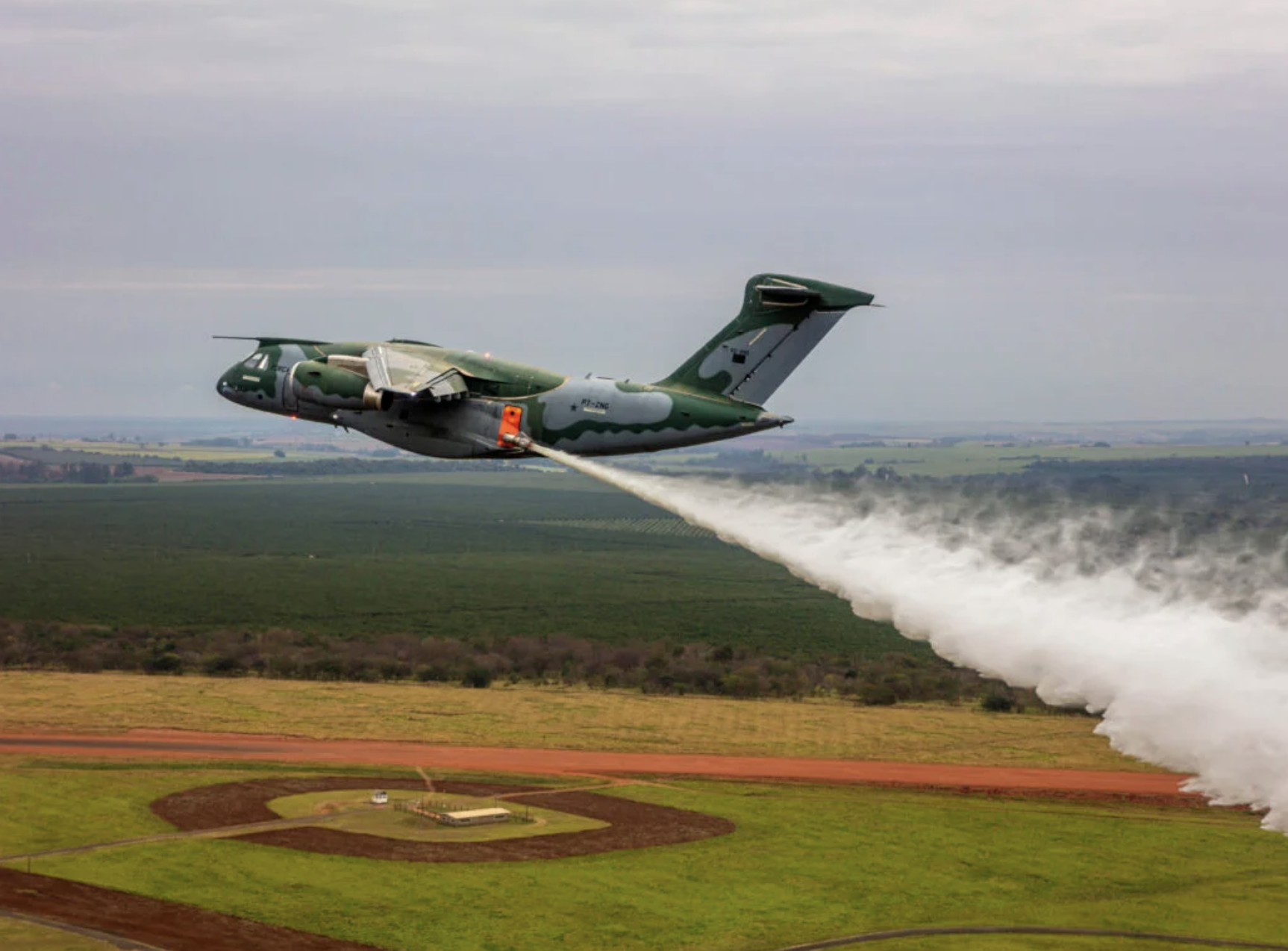
As wildfire seasons intensify across the globe, nations are rethinking how they build resilience into their aerial firefighting strategies. In Brazil, the Força Aérea Brasileira (FAB) has embraced a modern, modular approach — integrating the MAFFS (Modular Airborne Fire Fighting System) into its KC-390 Millennium fleet.
The result is a powerful demonstration of surge capacity, flexibility, and strategic foresight.
The Power of Modularity
The defining strength of MAFFS lies in its modular design. Unlike dedicated firefighting aircraft that are permanently configured for one mission, MAFFS is engineered to be installed inside existing military transport aircraft.
For the FAB, this means the KC-390 Millennium — a modern multi-role tactical transport — can transition rapidly between missions. One day it may be supporting logistics or humanitarian relief. The next, it can be equipped with MAFFS and deployed for wildfire suppression operations.
This flexibility is not just operational convenience. It represents a fundamental shift in how nations approach aerial firefighting. Instead of investing solely in single-purpose fleets that may sit idle outside fire season, MAFFS allows air forces to leverage aircraft they already operate, dramatically increasing cost efficiency and readiness.

Surge Capacity When It Matters Most
Wildfires do not follow predictable schedules. Climate variability has extended fire seasons, intensified burn conditions, and increased the need for rapid escalation of resources.
Surge capacity — the ability to quickly expand firefighting resources when demand exceeds baseline capability — is now essential.
The FAB’s KC-390 MAFFS program provides exactly that. When regional fire activity rises beyond the capacity of dedicated aircraft, MAFFS-equipped KC-390s can be activated to reinforce operations. This scalable approach ensures that Brazil can respond decisively to emerging threats without overbuilding permanent fleets.
The KC-390’s performance characteristics — speed, payload capacity, and range — further enhance its firefighting role. It can reposition rapidly across Brazil’s vast geography and integrate seamlessly with lead aircraft and ground coordination teams.

Operational Success in Brazil
Brazil’s adoption of MAFFS reflects more than experimentation; it represents a mature operational capability. The integration between MAFFS and the KC-390 has proven effective across multiple deployments, reinforcing wildfire response efforts in remote and challenging environments.
The partnership between MAFFS engineers and the FAB has demonstrated that modular systems can be successfully adapted to next-generation aircraft platforms — not only legacy fleets such as the C-130, but modern airframes designed for 21st-century missions.
The program’s success highlights the importance of:
• Rapid installation and removal capability
• Reliable retardant dispersal performance
• Integration with national wildfire command systems
• High aircrew training standards
For Brazil, the KC-390 MAFFS configuration is not a stopgap solution. It is a strategic asset.

A Model for Global Fire Response
As nations evaluate how to modernize their wildfire response strategies, Brazil’s experience offers an important lesson: modular capability increases resilience.
Dedicated aerial firefighting fleets remain critical. But modular systems such as MAFFS provide a complementary layer of protection — one that strengthens overall national capacity without duplicating infrastructure.
In a world where wildfire intensity is rising and climate uncertainty is growing, flexibility matters. The KC-390 MAFFS program demonstrates how innovation, military readiness, and civil protection can align to create a scalable and sustainable firefighting solution.
Looking Ahead
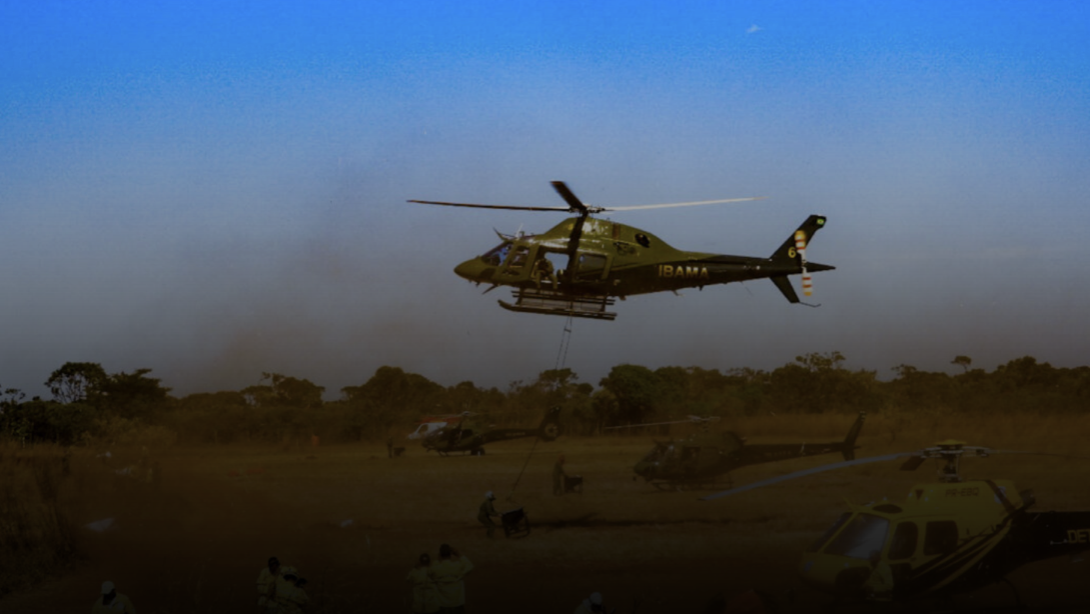
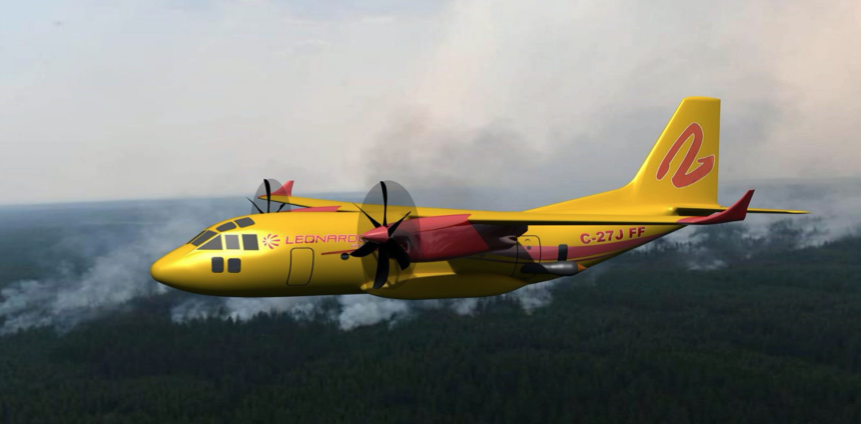
The images accompanying this article capture more than aircraft in flight. They represent a forward-looking philosophy in emergency response — one rooted in adaptability, interoperability, and preparedness.
Brazil’s KC-390 MAFFS operations show that modular airborne firefighting is not merely an alternative approach; it is a proven and increasingly essential component of modern wildfire defense.
As global demand for surge-based aerial firefighting continues to expand, programs like the FAB’s stand as evidence that the future of fire response will be built not just on dedicated platforms — but on smart, modular systems ready to answer the call.